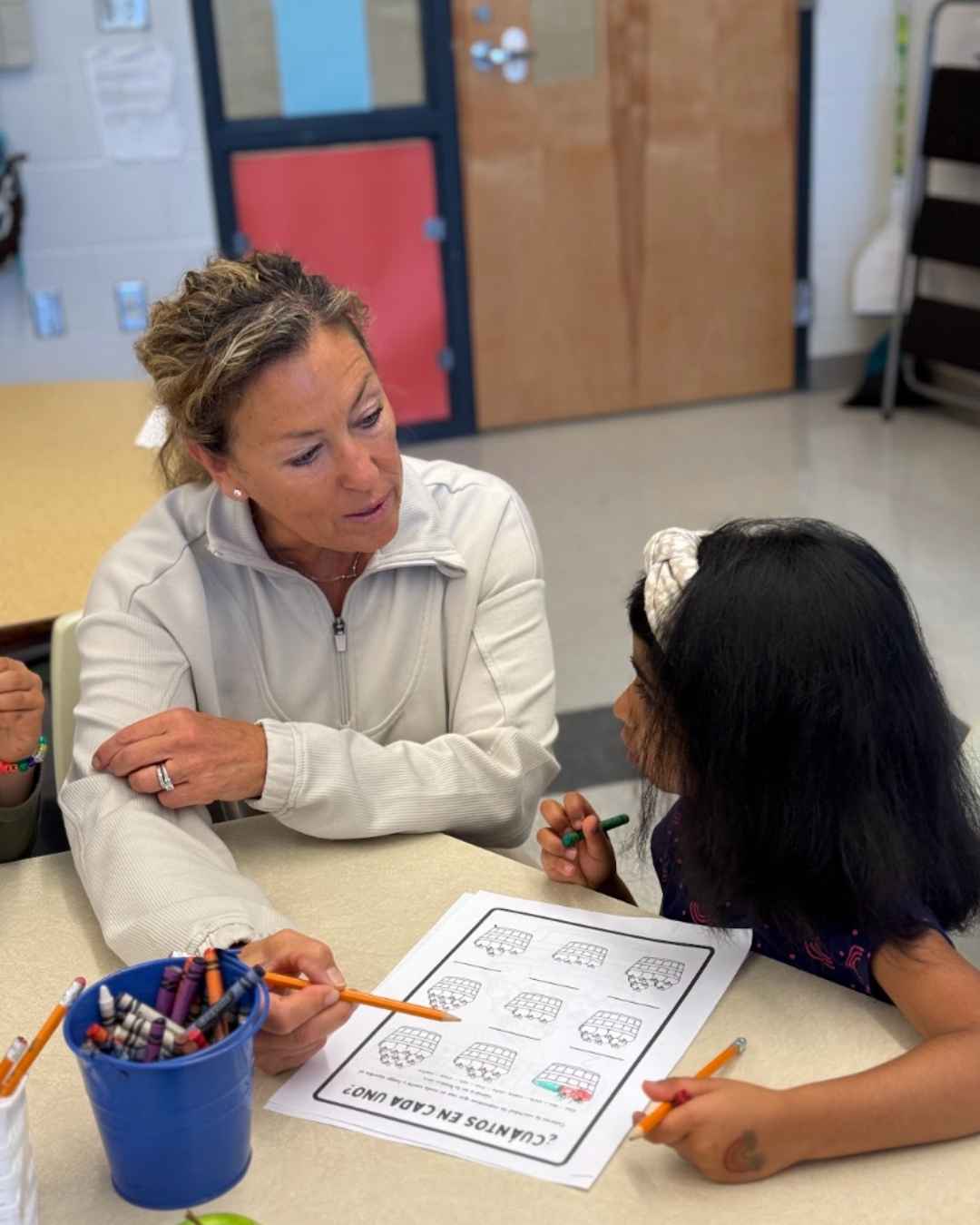
As parents, we all want to give our children opportunities that will help them grow, succeed, and feel confident in the world around them. From choosing the right school to enrolling in extracurricular activities, every decision is made with their future in mind. One question that many families ask is, is it worth teaching my child Spanish?
For many parents in Toronto, Spanish is one of the most popular choices. It is spoken by more than 500 million people around the world, is one of Canada’s most studied languages, and is valuable in travel, business, healthcare, education, and everyday life. Beyond these practical advantages, decades of research continue to show that learning a second language supports children’s cognitive, academic, and social development.
If you have ever asked yourself, is it worth teaching my child Spanish, the answer extends far beyond learning vocabulary. Spanish helps children become stronger thinkers, more confident communicators, and more culturally aware individuals who are prepared for an increasingly connected world.
Is It Worth Teaching My Child Spanish? What the Research Says
Parents often wonder whether learning another language is truly worth the time and commitment. While every family has different goals, studies consistently show that bilingualism offers lasting benefits that reach well beyond the classroom.
Children who learn a second language strengthen important cognitive skills while developing confidence, curiosity, and communication abilities that continue to support them throughout their lives. Rather than simply memorizing words, they are learning how to think, solve problems, and connect with others in meaningful ways.
Why Learning Spanish Is More Than Just Learning Another Language
Many people think language classes are simply about memorizing words and practicing conversations. While these are certainly important parts of learning, children are also developing skills that support their overall growth.
Every time a child switches between languages, listens carefully to new sounds, or learns to express the same idea in different ways, their brain is building new neural connections. These experiences encourage flexible thinking, stronger memory, problem solving, and concentration.
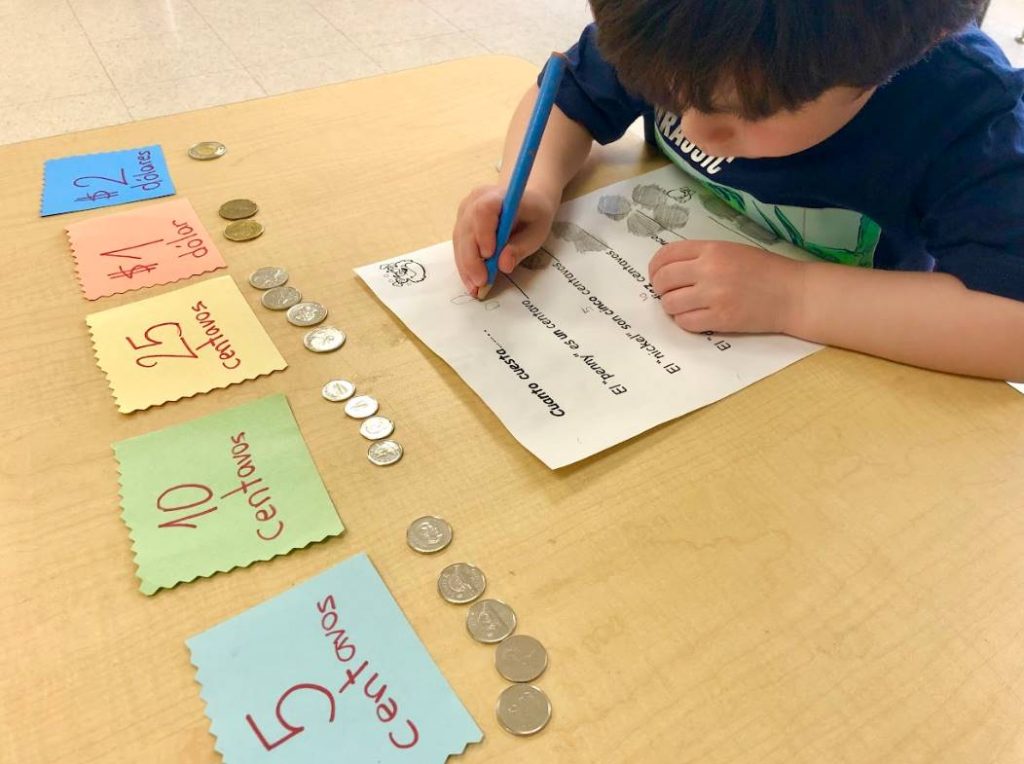
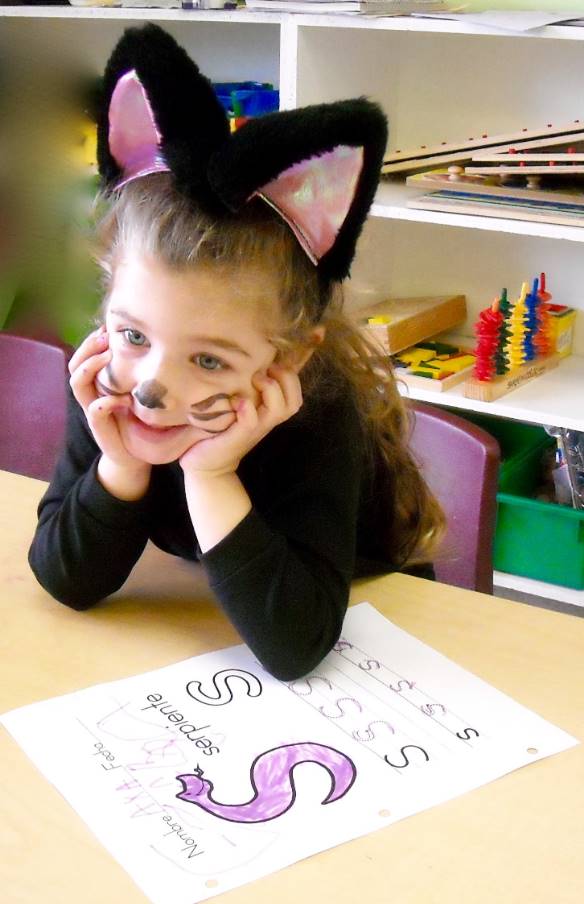
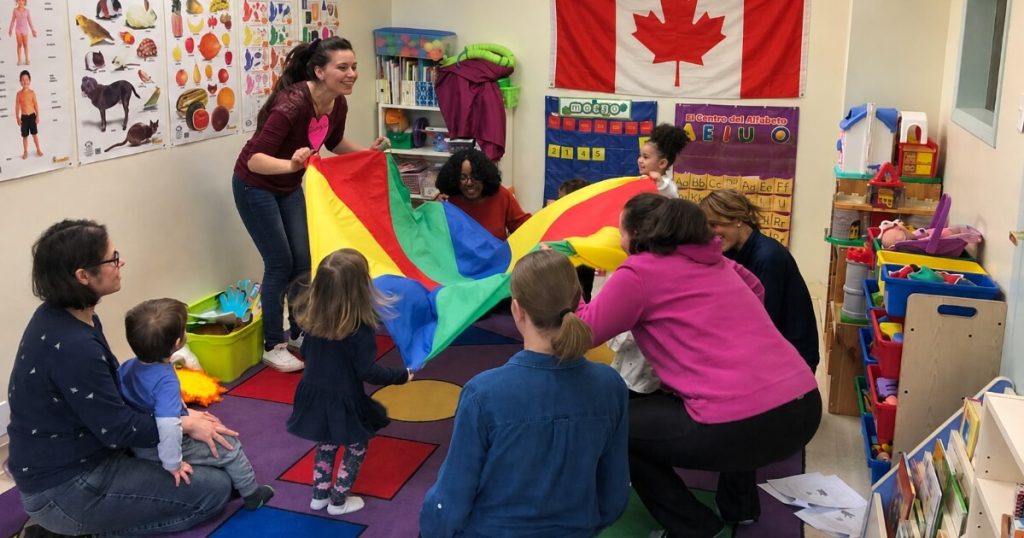
Children are naturally curious learners, making the early years an ideal time to introduce another language. Instead of feeling like extra schoolwork, learning Spanish through songs, storytelling, movement, games, and conversation becomes an enjoyable part of everyday life.
The Science-Backed Benefits of Bilingualism
Researchers have spent decades studying bilingual children, and the findings are remarkably consistent. Speaking more than one language supports several areas of development that continue throughout childhood and adulthood.
Stronger Memory and Attention
Learning two languages encourages children to pay close attention to what they hear and how they respond. As they decide which language to use in different situations, they strengthen their working memory and attention skills.
These abilities help children in many aspects of life, including following classroom instructions, completing tasks independently, and staying focused during learning activities.
Improved Problem Solving Skills
Bilingual children regularly practice thinking from different perspectives. They quickly learn that one idea can be expressed in multiple ways, which naturally encourages flexible thinking.
This flexibility often helps children approach challenges with creativity. Instead of becoming frustrated when something is difficult, they are more likely to explore different solutions until they find one that works.
Greater Cognitive Flexibility
Cognitive flexibility refers to the brain’s ability to adapt, switch between ideas, and adjust to new situations.
When children learn Spanish alongside English, they frequently move between the vocabulary, pronunciation, and grammar of the two languages. This ongoing practice strengthens their ability to adapt, which supports learning across many school subjects.
These skills are valuable not only during childhood but throughout adulthood.
Does Learning Spanish Help Children Do Better in School?
Parents often ask whether learning another language will improve academic performance.
Although Spanish lessons are not a shortcut to higher grades, bilingual children often develop learning habits that contribute to success in school.
Learning a language requires children to listen carefully, recognize patterns, remember information, and communicate clearly. These same skills are used every day in reading, writing, mathematics, and science.
Children who become comfortable with language structures also tend to develop a greater understanding of English grammar and vocabulary. They become more aware of how language works, helping them become stronger readers and writers over time.
Perhaps most importantly, learning Spanish teaches children that progress comes through practice. They gain confidence by trying, making mistakes, and continuing to improve.
Building Confidence Through Communication
One of the greatest gifts parents can give their children is confidence.
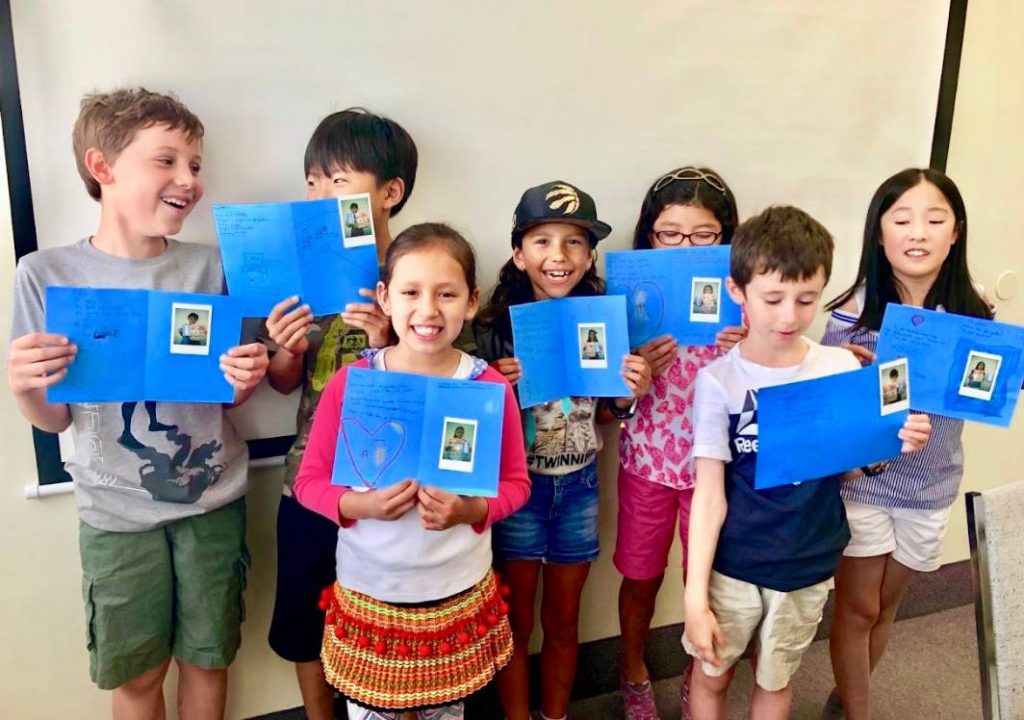
Learning Spanish encourages children to step outside their comfort zones in a safe and supportive environment. They learn new words, practice speaking aloud, and celebrate small achievements along the way.
As children experience success, their confidence grows. They begin to trust that they are capable of learning something challenging, an attitude that often carries into other areas of life.
Children who feel confident in their abilities are often more willing to ask questions, participate in class discussions, and embrace new experiences.
Spanish Opens the Door to New Cultures
Language and culture are deeply connected.
When children learn Spanish, they are also introduced to the traditions, celebrations, music, literature, foods, and history of many Spanish-speaking countries.
This cultural awareness helps children develop empathy and respect for people whose experiences may be different from their own.
In a multicultural city like Toronto, these qualities are especially valuable. Children grow up surrounded by classmates, neighbours, and friends from many different backgrounds. Learning another language helps them appreciate these differences while finding meaningful ways to connect with others.
Children’s Spanish Classes That Inspire a Lifelong Love of Learning
If you are still wondering whether it is worth teaching my child Spanish, choosing the right learning environment can make all the difference.
At The Spanish Schoolhouse, we have been helping families discover the joy of the Spanish language and culture since 2004. Our children’s Spanish classes are designed to make learning engaging, interactive, and meaningful through a Spanish immersion approach led by experienced native Spanish-speaking teachers. Rather than relying on memorization alone, our students build confidence through conversation, music, movement, storytelling, games, and hands-on activities that make learning feel natural and enjoyable.
Every child learns differently, which is why our programs are tailored to each student’s age, proficiency level, and individual needs. Whether your child is completely new to Spanish or already has experience with the language, our goal is to help them express themselves confidently while developing a genuine appreciation for Hispanic language and culture. We believe bilingualism is about more than speaking another language. It is about building confidence, expanding cultural understanding, and opening doors to future academic, personal, and career opportunities that can last a lifetime.
What If We Only Speak English at Home?
Many parents hesitate because they do not speak Spanish themselves.
The good news is that children do not need parents who are fluent in Spanish in order to become successful language learners.
A supportive environment matters far more than perfect pronunciation.
Parents can encourage learning by asking what new words their child learned, reading bilingual books together, listening to Spanish music during car rides, or simply showing excitement about their child’s progress.
Children are incredibly capable of developing language skills through consistent exposure, even when English remains the primary language at home.
Learning Should Be Fun
Children learn best when they are engaged.
The most effective Spanish programs focus on active participation rather than memorization. Songs, movement, storytelling, games, art, and conversation create meaningful experiences that help children remember what they have learned.
When children associate Spanish with positive experiences, they become more motivated to continue learning. This enthusiasm often leads to greater confidence and stronger long-term language development.
Is It Worth Teaching My Child Spanish? A Lasting Investment in Their Future
For most families, the answer is an enthusiastic yes.
Learning Spanish provides much more than the ability to speak another language. It helps children strengthen memory, improve attention, develop problem-solving skills, and build confidence. It introduces them to new cultures, encourages empathy, and prepares them for opportunities that may not even exist yet.
Perhaps most importantly, it teaches children that learning is exciting. Every new word, conversation, and accomplishment reminds them that they are capable of growing through curiosity and practice.
So, is it worth teaching my child Spanish? For families looking to give their children a valuable lifelong skill, broaden their understanding of the world, and help them become confident communicators, the answer is clear. Investing in Spanish today is an investment in your child’s future. The language skills, cultural awareness, and confidence they develop will continue to benefit them long after they leave the classroom.